
Technical guides on molds, CNC machining and aluminum casting.
Practical articles from our engineering team on mold design, maintenance, machining and casting: what to define before you build, how to spot problems early and what to ask for in a quote.
A mold has no catalog price. What drives the cost (geometry, cavities, steel, systems, finish, tolerances, volume), how to reduce it and what to send for an accurate quote.
A failing mold forces a choice: repair, overhaul or replace. Diagnosis, decision criteria and intermediate options to decide with data, not under pressure.
The quoted price is only part of what a mold costs. Communication, changes, trials, logistics, documentation and support: how to compare local and imported molds.
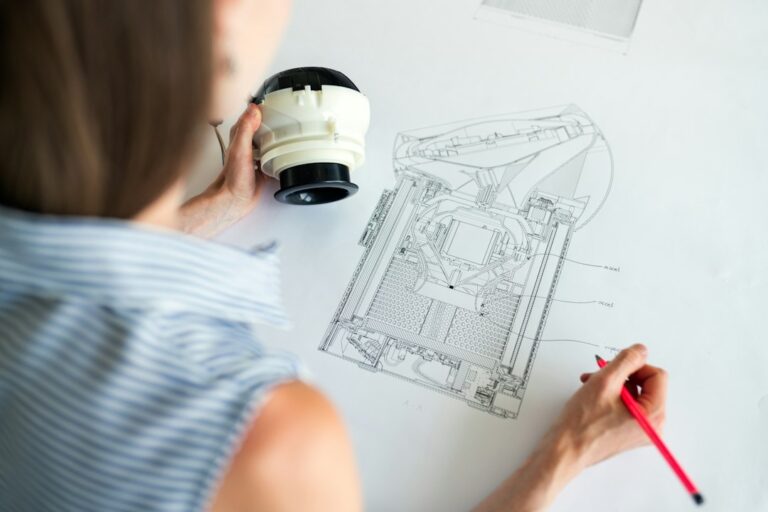
When a spare part or a mold has no drawings, 3D scanning turns the physical part into technical information. The process, its limits and which deliverable to ask for.
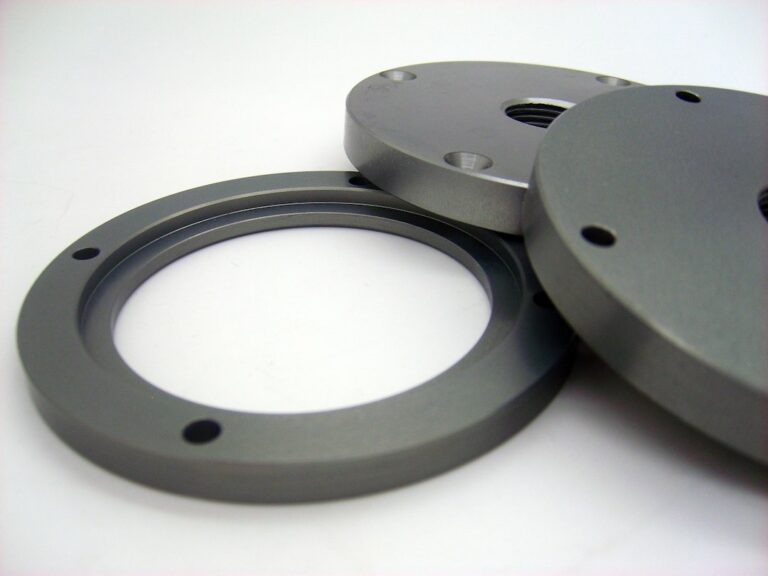
Compression, transfer or injection: each vulcanizing process needs a different mold. How to choose, and what to watch in cavities, flash, venting and rubber shrinkage.

Polyurethane reacts, expands and generates heat inside the mold. We compare what rigid and flexible foam demand from the design: closure, venting, temperature and demolding.

In blow molding, container quality depends on how the mold closes, cuts the parison, evacuates air and removes heat. The design decisions that matter most.

A rotational mold sees no injection pressure, but it does face thermal cycling and rotation on two axes. These design decisions define hollow-part quality and mold life.
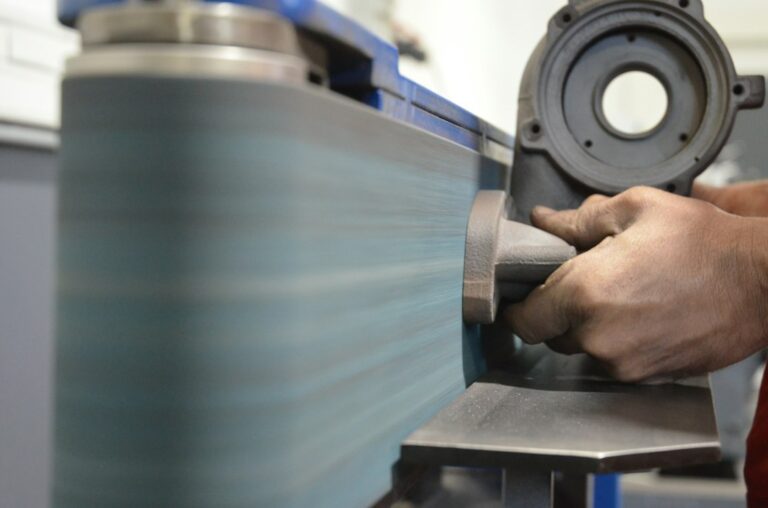
The right finish for a cast aluminum part depends on its function, not only its appearance. Machining, shot blasting and anodizing compared.
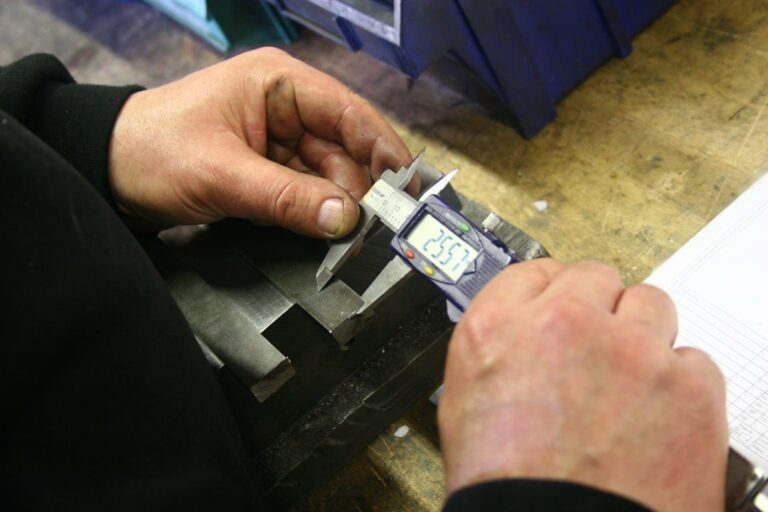
Porosity in aluminum castings often originates in design decisions, not only in the process. Its main causes and how to prevent it.
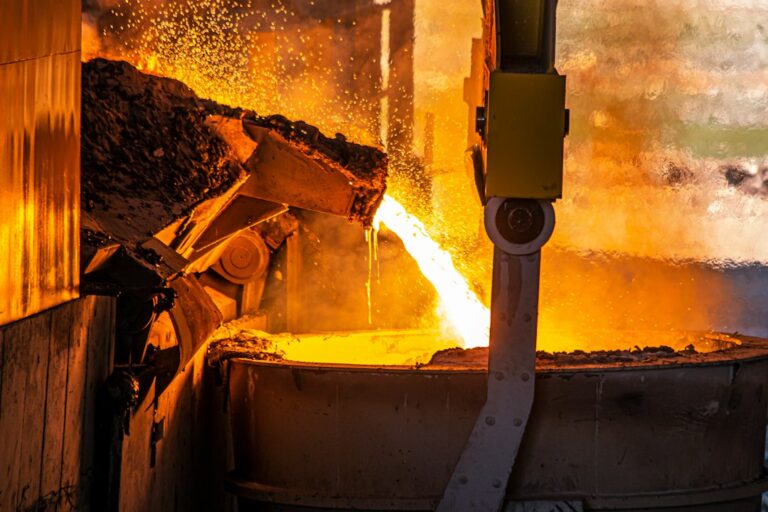
Permanent mold casting and aluminum die casting differ in tooling cost, speed and achievable geometry. When each process makes sense.

Recognizing the early signs of wear in a mold lets you act before it turns into rejected parts. What to look for and how to document it.
Before restarting production after a long stop, check the mold condition, the thermal system and the process settings. This guide puts that check in order.
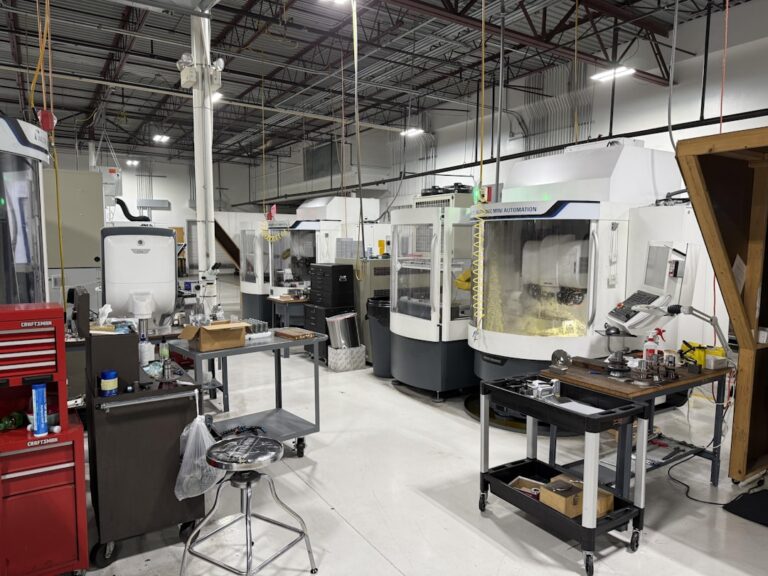
Choosing between 3, 4 and 5-axis machining depends on part geometry, the number of reorientations and the required finish. How to decide.
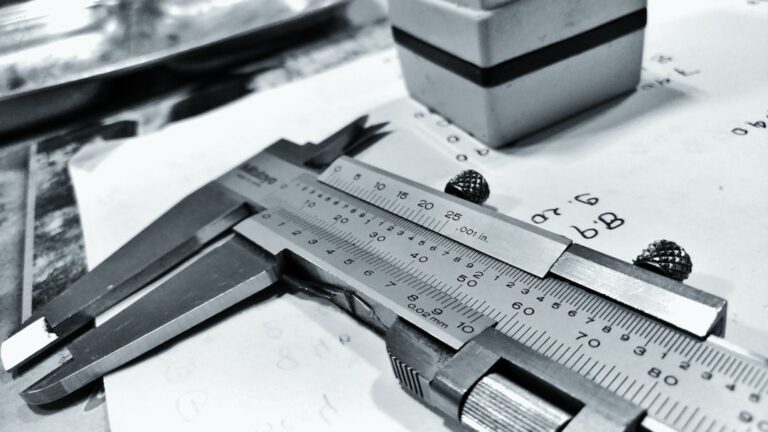
Specifying tighter tolerances than needed in CNC machining raises cost and lead time with no functional benefit. How to define them correctly.
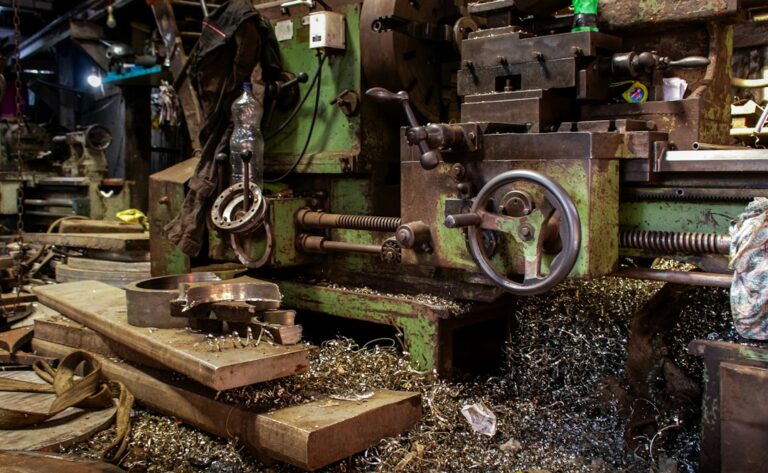
Injection mold life depends on the steel, maintenance, the material processed and daily operation. The factors that matter most and how to extend it.

Matching mold steel and heat treatment to production volume prevents premature wear, corrosion and loss of tolerance. These are the key criteria.
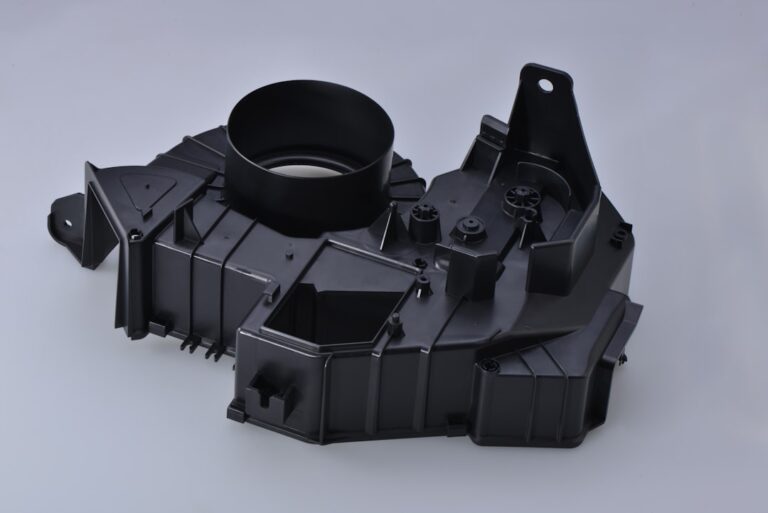
Choosing the cavity count of an injection mold means balancing volume, cost, cycle time and fill balance. These are the variables that decide it.
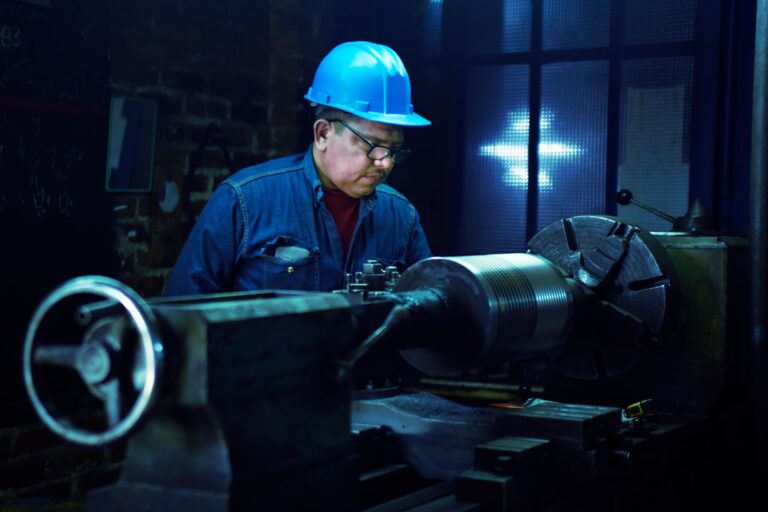
Unplanned downtime usually starts with small signs. This guide organizes how to inspect a mold and record what you find.
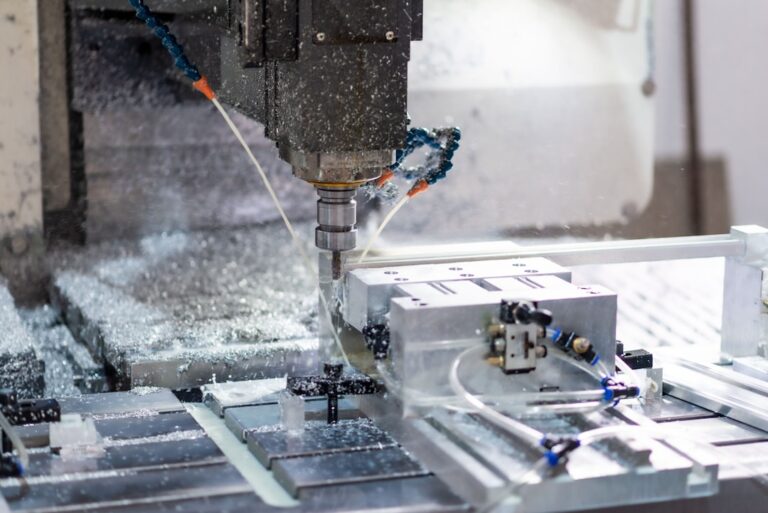
A 3D model does not always contain the information needed to quote a part. Learn which data reduces ambiguity.
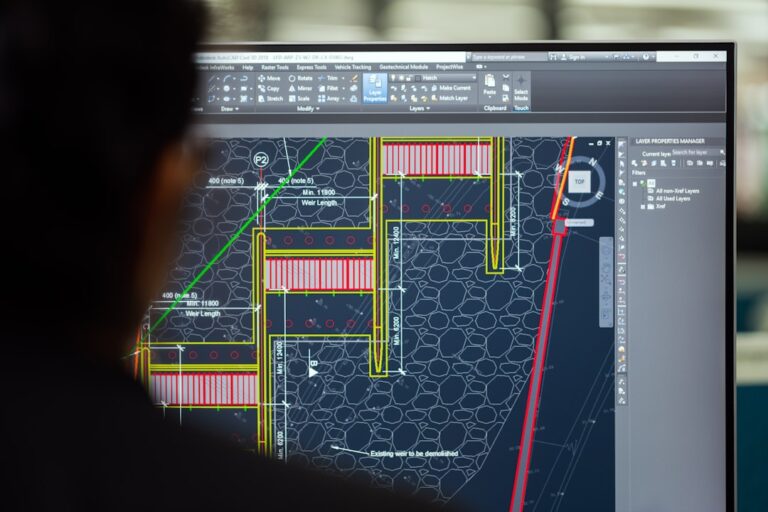
Density, shrinkage, geometry, filling, steam, cooling and ejection determine how an EPS mold performs.
Have a mold or part project?
Share drawings, a 3D model or requirements with our technical team.