
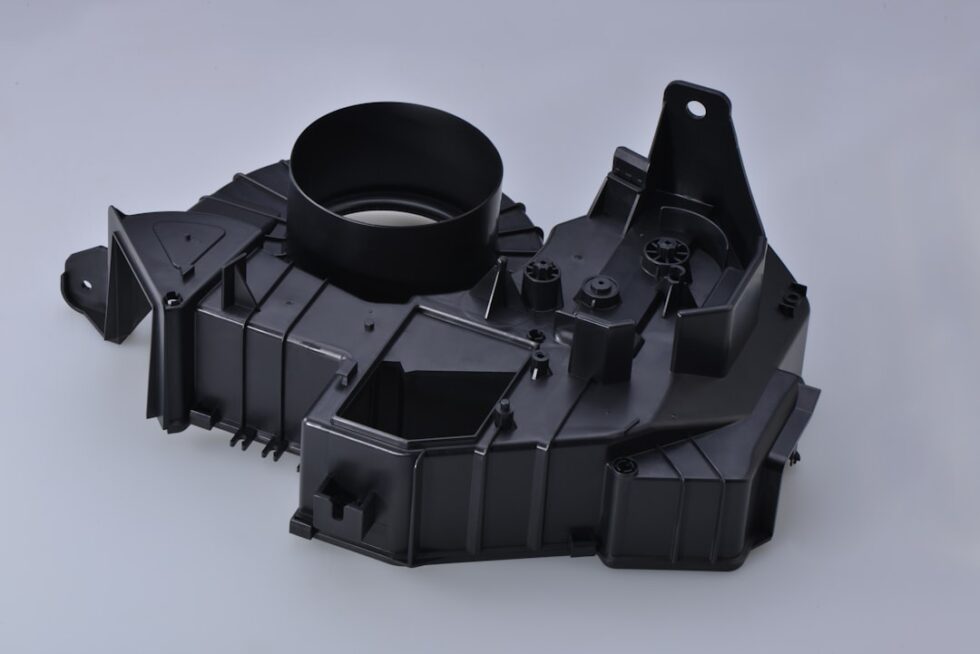
Industry 4.0 begins when information stops being separate from execution.
In an industrial project, a design decision affects materials, lead times, machining, assembly, quality and cost. When that information stays scattered across emails, files and conversations, the operation loses context and responsiveness.
Our approach connects technical information with the real work on the shop floor: everyone works from the same version of the project, with a clear link between activities, owners, deliverables and evidence.
Scattered information
The operation loses context and responsiveness.
One version of the project
It’s not about adding a digital layer to manufacturing. It’s about making digital management reflect and support what actually happens in engineering and production.
A value chain connected around every project.
The model links the critical stages of industrial development to reduce information gaps and maintain traceability throughout the work cycle.
Definition and scope
We centralize requirements, references, deliverables, owners and technical criteria to set a common baseline before execution.
Engineering and planning
We structure activities, dependencies, documentation and reviews to turn the design into an executable industrial plan.
Manufacturing and tracking
We link project progress with shop operations, owners and any issues that may affect delivery.
Quality and evidence
We consolidate controls, results, documents and evidence to support technical validation and project close-out.
Delivery and continuity
We preserve the technical history to support future inquiries, maintenance, modifications or re-builds.
What changes when your project is managed as a connected system?
Six concrete effects on how work is coordinated, controlled and documented.
Greater visibility
A clearer read of the project status, its milestones, owners, deliverables and critical points.
Technical traceability
Decisions, reviews, documents and issues stay linked to the project context.
Better coordination
Engineering, production, quality and management share a common structure to execute and communicate.
Timely risk control
Blockers and deviations are spotted earlier and handled by defined owners.
Organized documentation
Technical information stays tied to the project and available for validation, delivery and support.
Knowledge continuity
The history built during manufacturing becomes the basis for maintenance, changes and future developments.
Evidence, not just talk.
Integrated manufacturing is proven with verifiable information. Every project leaves an orderly record of what was planned, who executed it and what evidence supports it.
Illustrative portal view
Designed for projects where technical coordination is critical.
The same model applies to new molds, existing assets and projects that combine several processes.
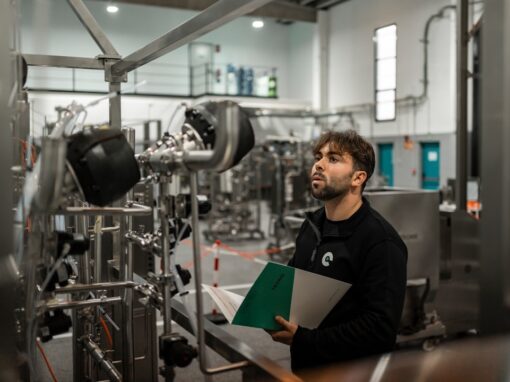
Mold development
Coordination of engineering, materials, machining, assembly, tryouts and deliverables within one project structure.
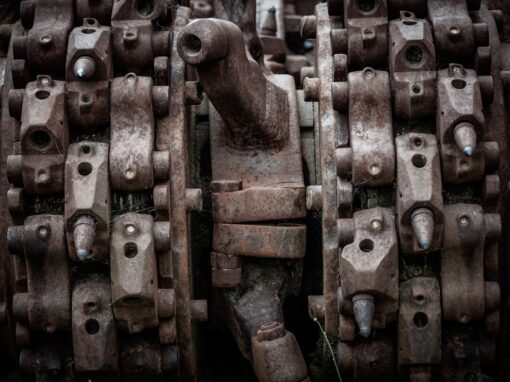
Maintenance and modifications
A record of findings, scope, activities, changes and evidence to preserve the asset’s technical continuity.
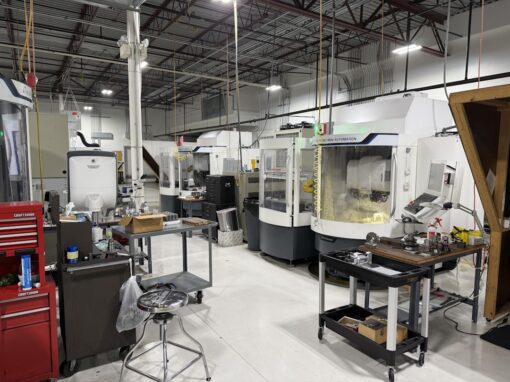
Machining and special fabrication
Tracking of requirements, operations, owners, progress and controls for manufactured components.
Multi-process projects
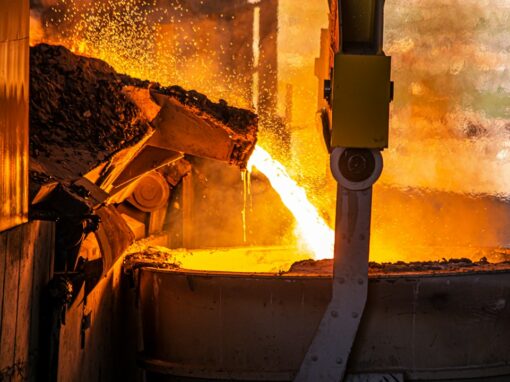
Casting, machining, fitting, assembly, finishing and inspection integrated under a single project view.
From industrial challenge to structured execution.
The difference isn’t just using software, but combining it with equipment, processes, experience and real execution capability.
We review the need, the operating context, the technical requirements and the expected outcome.
We translate the requirement into deliverables, activities, owners, milestones and acceptance criteria.
Technical information and the work plan follow the project’s actual progress.
We consolidate evidence, results and deliverables to support close-out and project continuity.
Integrated manufacturing 4.0 in concrete terms.
Have a question about your specific case? Our team will go over it with you.
Write to us →What does integrated manufacturing 4.0 mean for Fundimoldes?+
It means connecting project management, technical information and industrial execution in a common flow. The goal is to improve visibility, coordination, traceability and decision-making during development and manufacturing.
Does Industric replace engineering or production work?+
No. Industric is the digital infrastructure that organizes and connects operational information. Technical decisions and execution stay in the hands of Fundimoldes’ specialized team.
Do all clients have to use Industric?+
Participation and level of visibility are defined by each project’s scope, complexity and conditions. The platform supports internal management and can enable consultation or tracking when it suits both parties.
What kind of information can be managed within the project?+
Depending on scope, it can include activities, owners, milestones, technical documents, progress, issues, evidence, reviews and deliverables. Access is configured by role and information confidentiality.
Does this approach only apply to new molds?+
No. It also applies to maintenance, modifications, spare parts, special machining and projects combining multiple manufacturing processes.
How is confidential information protected?+
Information is managed with access defined by role, permissions and contractual scope. Specific confidentiality, storage and access terms are set for each business relationship.
Your next project can start with a better-connected operation.
Tell us what you need to manufacture, develop or improve. We’ll assess the challenge from the engineering, industrial execution and traceability perspective needed to manage it clearly.